


Journal
From Fate to Psychology: How Euripides Changed Tragedy

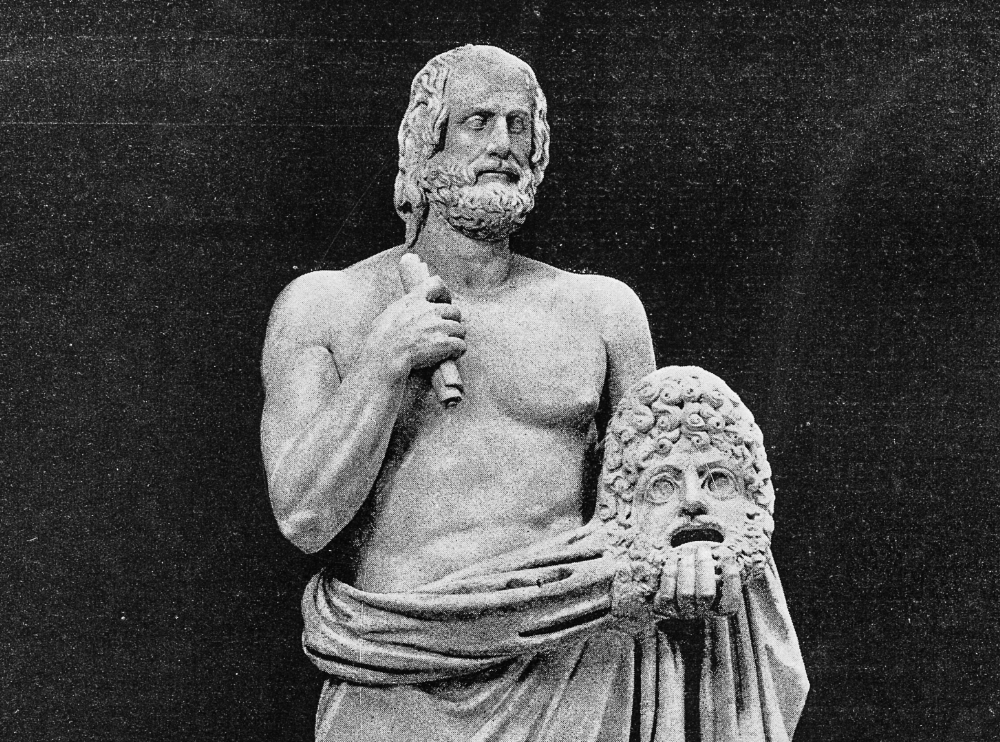
Greek tragedy began as a public art shaped by myth, religion, and the weight of divine power. In many early tragedies, human beings suffer because the gods will it, because an oracle has spoken, or because a curse has been placed on a family line. The tragic world feels predetermined. Even when characters struggle, they often struggle inside a structure they cannot break. Fate stands above them like a law of nature.
Euripides did not remove the gods from tragedy, but he changed where tragedy truly happens. He shifted the center of conflict away from destiny and toward the mind. In his plays, the audience watches how desire breaks reason, how fear turns into cruelty, how logic becomes self justification, and how moral choice can collapse under pressure. The tragic becomes less about cosmic justice and more about psychological reality. A catastrophe may still be shocking, but it feels human, not inevitable.
This shift did not make Euripides less tragic than Aeschylus or Sophocles. It made him tragic in a new way. He helped redefine what suffering means on stage. Instead of being crushed primarily by divine forces, Euripidean characters often destroy themselves, or each other, through inner conflict and moral failure. The result is a tragedy that feels closer to modern drama, where the deepest threats are often inside the person rather than outside the world.
The Older Model: Tragedy As Fate And Divine Order
Before Euripides, tragic conflict often revolved around divine law and inherited doom. Aeschylus and Sophocles built tragedies where the gods, or the moral structure of the universe, are central forces. A crime from the past creates a chain reaction. An oracle announces the future. A family curse pushes characters toward an ending they fear but cannot escape.
In this older model, suffering has a cosmic dimension. A character may act freely, but their freedom feels limited by a pre-existing order. Even heroic qualities can become tragic because they collide with forces greater than human understanding. The audience feels the weight of necessity, and tragedy becomes a kind of moral spectacle, showing how human pride or ignorance leads to punishment.
This approach can be deeply moving, but it creates a specific kind of tragic meaning. The world is structured and often unforgiving. The gods may be distant, but their presence is real. The tragic hero is often someone who learns too late that the universe has rules, and that breaking them has consequences beyond human control.
Euripides enters this tradition and reshapes it. He keeps mythic settings and familiar stories, but he changes the atmosphere. The universe feels less stable, and the gods feel less like moral guardians. What becomes terrifying is not only the will of the divine, but the unpredictability of the human heart.
Euripides And The Turn Toward Inner Conflict
Euripides’ greatest transformation is his focus on psychological struggle. His characters speak in ways that reveal their thoughts, contradictions, and shifting emotions. Instead of presenting a hero moving steadily toward a fated end, Euripides often shows a person changing in real time, arguing with themselves, persuading themselves, and collapsing into decisions they partly understand and partly regret.
This psychological style makes tragedy feel intimate. The stage becomes a place where motives are exposed. Desire is not just a force that arrives from outside. It grows inside the person, linked to pride, pain, jealousy, and longing. Fear becomes a mental prison, shaping what a character believes is possible. Reason appears, but it struggles, sometimes failing, sometimes becoming a weapon used to justify wrong actions.
Euripides also gives language a new role. His characters analyze themselves. They explain their thinking. They blame others, then admit guilt, then shift again. The audience witnesses not only action, but the inner process behind action. This makes the tragic experience more complex, because the characters are not simply victims. They are also participants in their own downfall.
In this way, Euripides changes the tragic question. Instead of asking, “What did the gods decide?” the audience is invited to ask, “What did the person choose, and why?”
Desire, Fear, Reason, And Moral Choice On Stage
Euripides fills tragedy with psychological forces that feel recognizable and modern. Desire often becomes the engine of disaster, not because it is evil by nature, but because it overwhelms judgment. Characters want love, revenge, honor, or security, and that wanting becomes intense enough to erase limits. When desire becomes absolute, it turns moral boundaries into obstacles.
Fear also becomes central. Euripides shows fear not only as panic, but as calculation. A character may fear humiliation, fear abandonment, fear weakness, fear loss of status. That fear drives decisions that appear rational on the surface but are emotionally distorted underneath. Tragedy becomes the story of what people do when their fear becomes stronger than their conscience.
Reason in Euripides is complicated. It exists, but it does not always save anyone. Sometimes reason is sincere, trying to guide a person toward moderation. Other times it becomes rhetorical, a tool to defend the indefensible. This is one of Euripides’ sharpest insights. Human beings can argue themselves into terrible actions while believing they are being logical.
Moral choice therefore becomes the true battlefield. Euripides does not simply show characters trapped by destiny. He shows them trapped by themselves, by the values they hold, the emotions they cannot manage, and the excuses they invent. The tragic event is not only the final catastrophe. It is the internal collapse that makes catastrophe possible.
Comparing Euripides With Aeschylus And Sophocles
Aeschylus often frames tragedy as a movement toward moral order. Even when suffering is extreme, there is a sense that justice exists, and that the world has a structure that eventually reveals itself. Sophocles presents tragedy with profound seriousness and balance. His heroes are dignified, and their downfall often carries a sense of inevitability mixed with moral complexity.
Euripides, by contrast, brings tragedy closer to ordinary human psychology. His characters can be heroic, but they can also be impulsive, bitter, ironic, or emotionally unstable. His plays often feel less ceremonial and more raw. The audience does not only admire the character. The audience is forced to confront them.
Another major difference is how Euripides treats the gods. The divine does appear in his plays, but it often feels unsettling rather than morally clarifying. Sometimes the gods seem indifferent. Sometimes they arrive at the end to impose a solution that feels politically necessary but emotionally unresolved. This creates a world where divine authority does not always provide meaning. The search for meaning shifts back to the human level.
How Euripides Redefined “The Tragic” For Later Drama
Euripides changed tragedy by changing what audiences fear. The terrifying force is not only destiny. It is the instability of the mind. It is the possibility that a person can know what is right and still do what is wrong. It is the fact that love can become violence, loyalty can become obsession, and intelligence can become moral blindness.
This redefinition shaped later drama in powerful ways. Euripides’ tragedies feel closer to modern psychological storytelling, where characters are driven by inner tension rather than external fate. Many later writers, from ancient critics to modern playwrights, recognized that Euripides made tragedy more human, more intimate, and sometimes more disturbing.
Related Posts
Aristotle’s View of Nature: Order, Change, and Purpose

Aristotle did not study nature as a distant observer collecting random facts. He studied it as someone trying to understand ...