


Posts by Mind The Greeks

Why Plato Defined Contemporary Philosophy

Plato did not simply contribute to philosophy. He shaped what philosophy is. Long before philosophy became an academic discipline, Plat...

From City-States to Empires: How the Ancients Learned to Think Big
For much of early Greek history, the world was small. Political life centered on the city-state, the polis, a community that could be s...
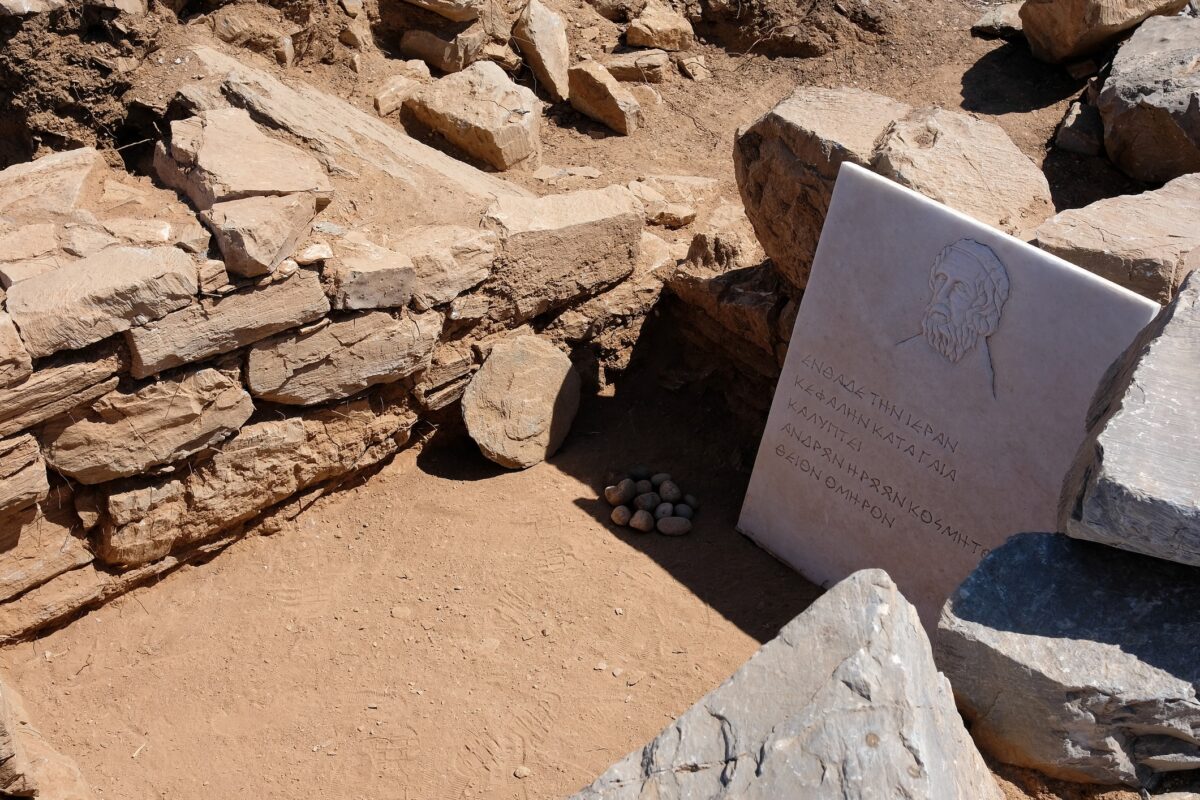
Why Homer Was the First Teacher of the Greeks
Before there were philosophers, before there were schools, before there were written laws studied in classrooms, there was Homer. For c...

What it Means to Carry a Literary Heritage
A literary heritage is often described as something we “inherit.” But in real life, inheritance is not passive. It is not a box of old ...
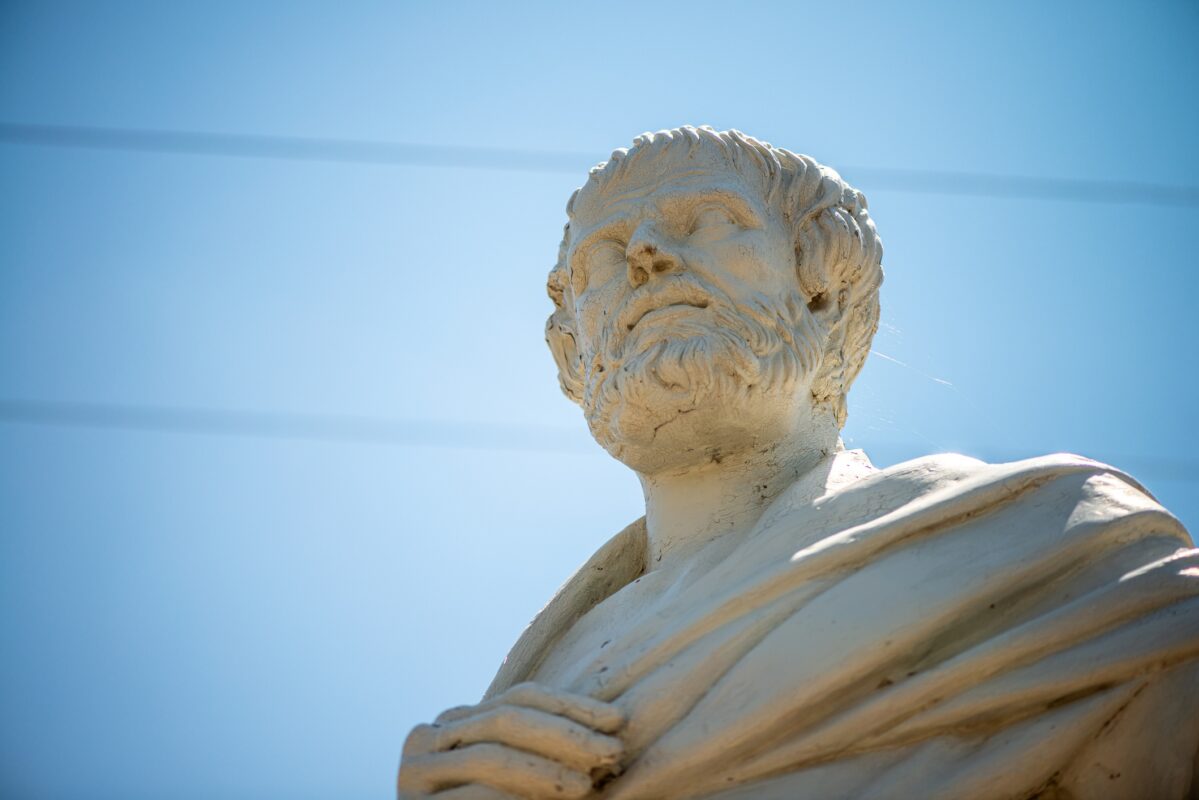
Plato VS Aristotle: Two Ways of Doing Philosophy
Plato and Aristotle are often presented as philosophical rivals: idealism versus empiricism, Forms versus substances, heaven versus ear...
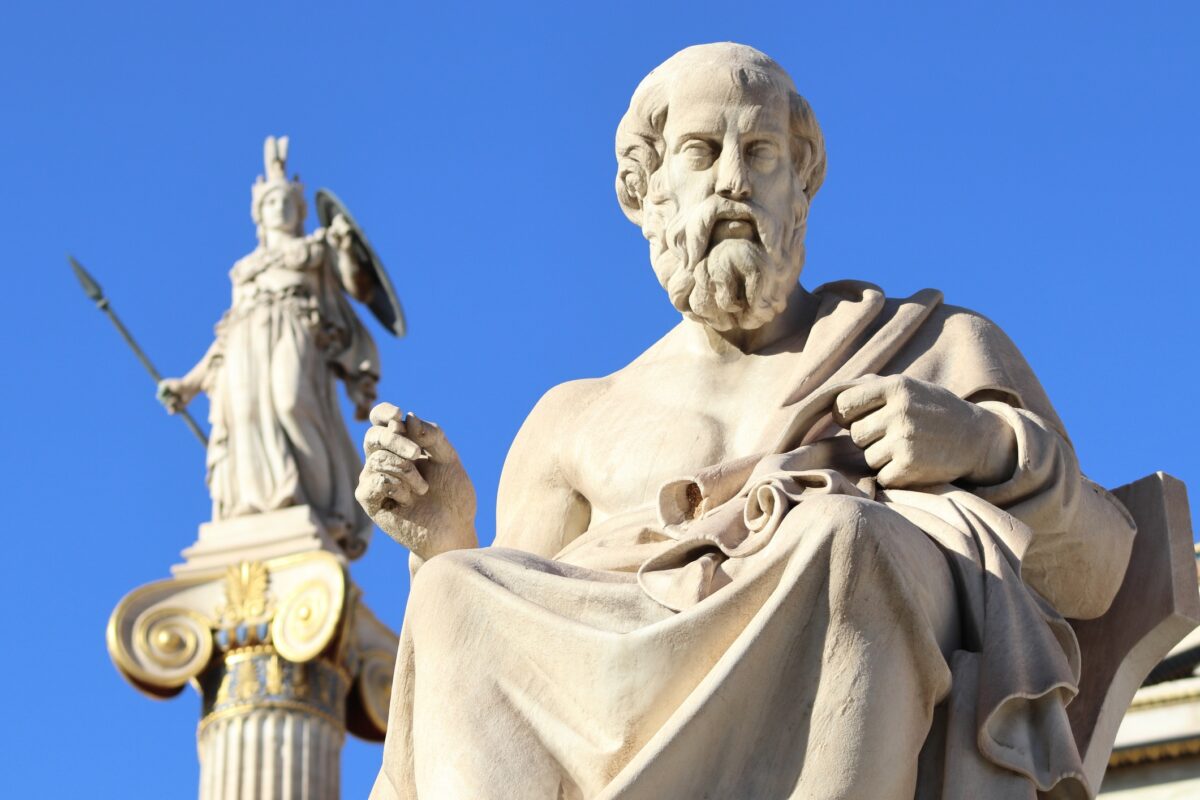
Truth, Knowledge, and the Search for What Is Real in Plato
Plato is often treated as a philosopher who offers answers: the theory of Forms, the immortality of the soul, the supremacy of reason. ...

Learning Where We Come From, the Natural Way
Children are natural learners. They absorb language, stories, and patterns long before they can explain them. They learn not by memoriz...

How Ancient Greek Literature Survived Against All Odds
An adventure in transmission: from sung epics to papyrus rolls, from Byzantine scriptoria to Renaissance presses, from desert rubbish h...
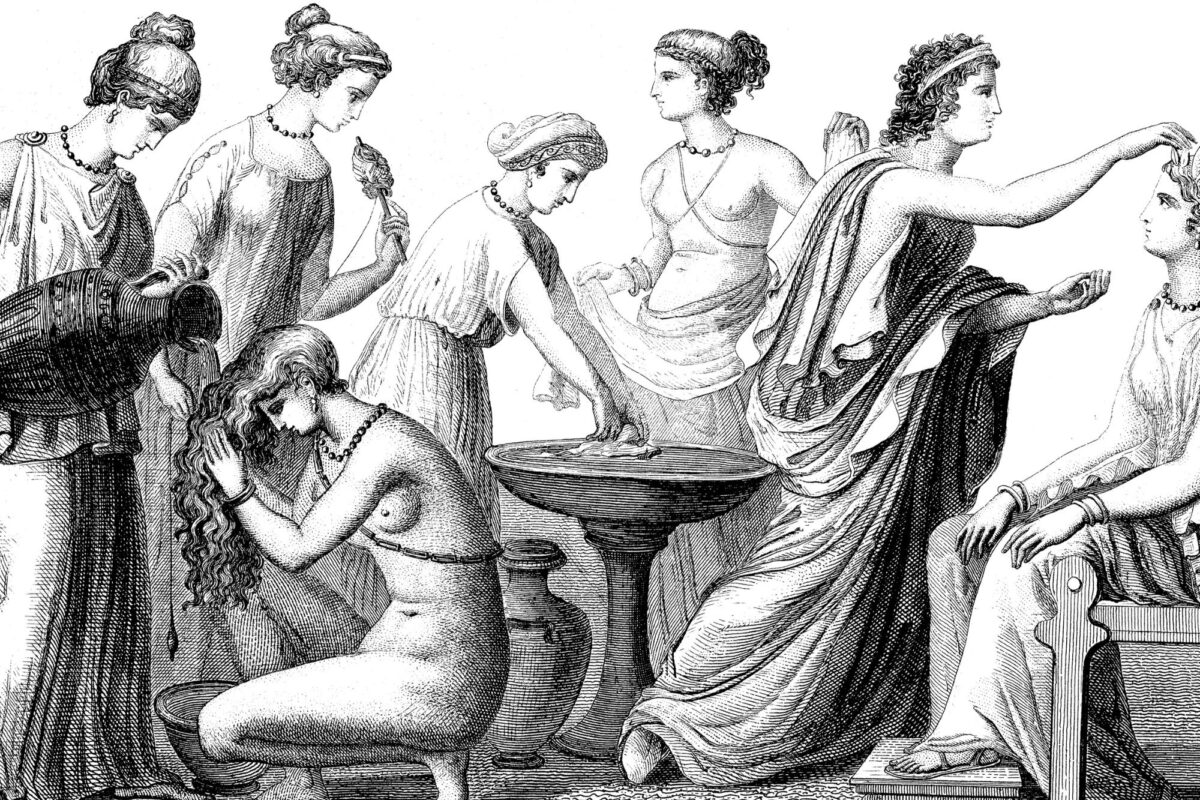
Women’s Health in Ancient Greek Medicine: Soranus and Gynecology
Ancient Greek medicine is often imagined as a field dominated by abstract theory and limited anatomical knowledge, especially when it c...

Why Reading Ancient Mathematics in Greek Still Matters
Ancient Greek mathematics is often treated as the purest example of content that survives translation without loss. Numbers are univers...