


Journal

Periphrasis and Ekphrasis Between Philosophy and Poetry: From Plato to Schiller

Guest post by Arnt Fredheim, Curator, writer, project managerThe Discovery of Nature: A Historical DebateI recall a conversation I had ...
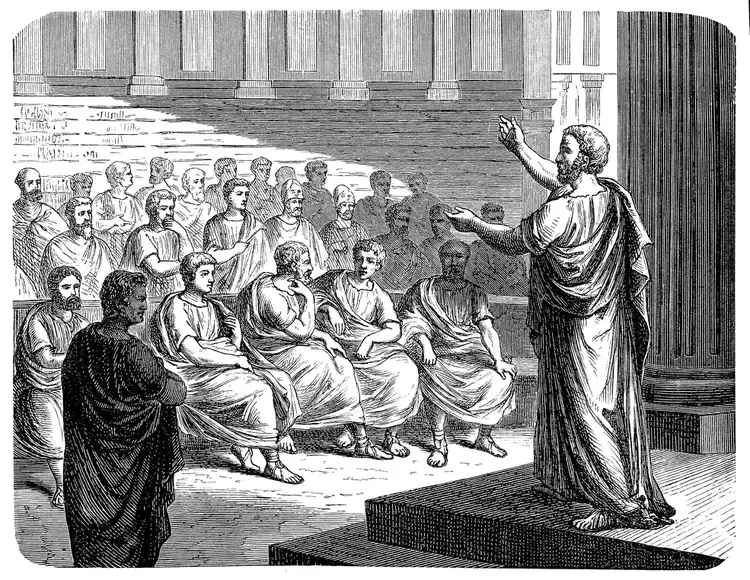
Four Ancient Authors to Understand Greek Federalism
Guest post by Triantafyllos Zacharakis, Dr. in Ancient Greek HistoryGreek Federal States: An Alternative to the PolisCity-state (polis)...
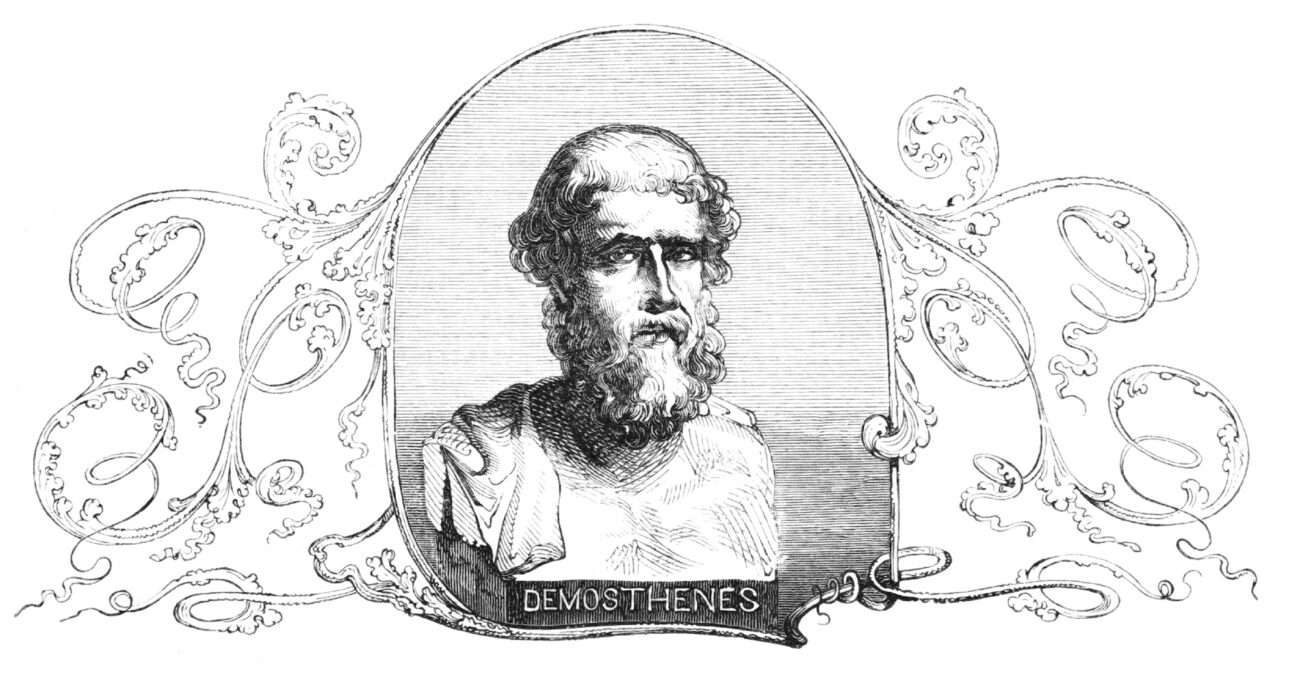
Demosthenes and the Power of Political Speech
In the annals of political oratory, few figures loom as large as Demosthenes, the Athenian statesman and speechwriter whose fierce comm...

Introducing Culture, not just Stories; Why named authors matter
Introducing Culture, not just Stories; Why named authors matter
Introducing Culture, not just Stories; Why named authors matter
Ch...

How Aristotle Invented Logic And Why We Still Use Aristotelian Logic
When we speak of logic today, we often assume it has always existed in its present form; systematic, rule-based, and foundational to sc...
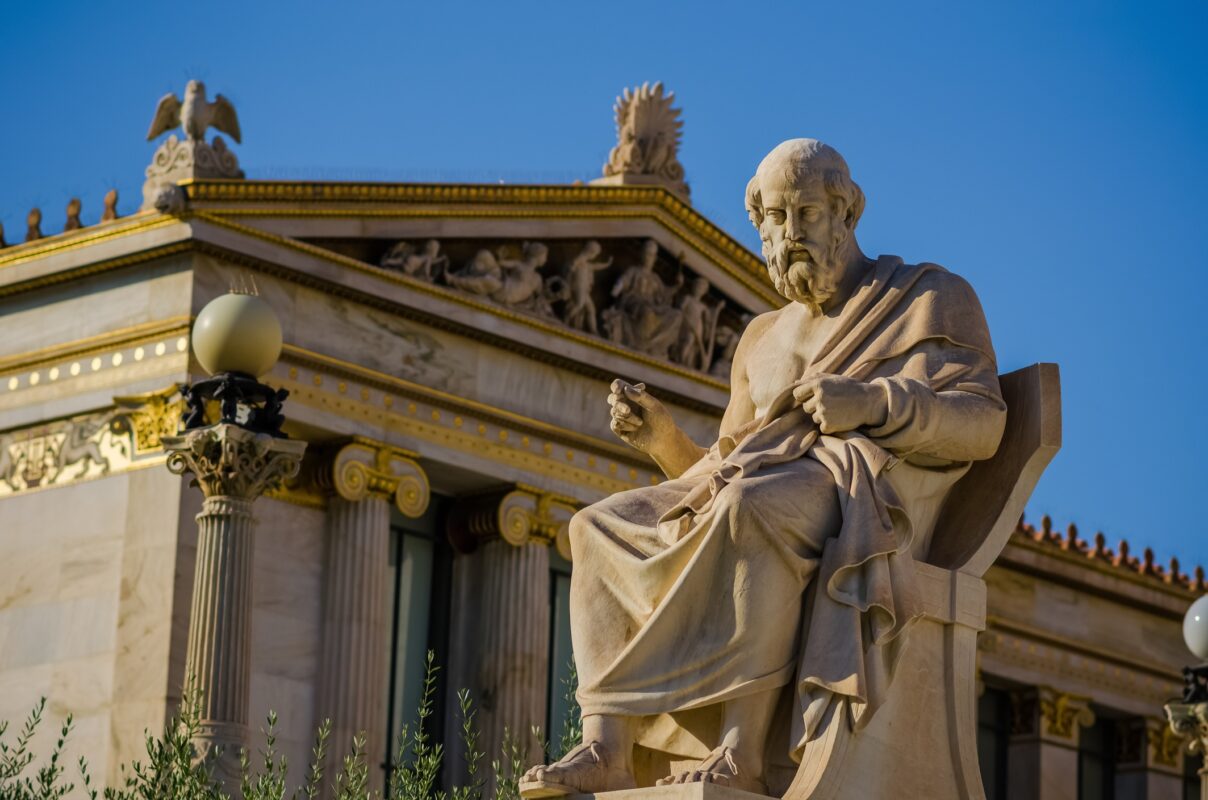
Why Plato Defined Contemporary Philosophy
Plato did not simply contribute to philosophy. He shaped what philosophy is. Long before philosophy became an academic discipline, Plat...

From City-States to Empires: How the Ancients Learned to Think Big
For much of early Greek history, the world was small. Political life centered on the city-state, the polis, a community that could be s...
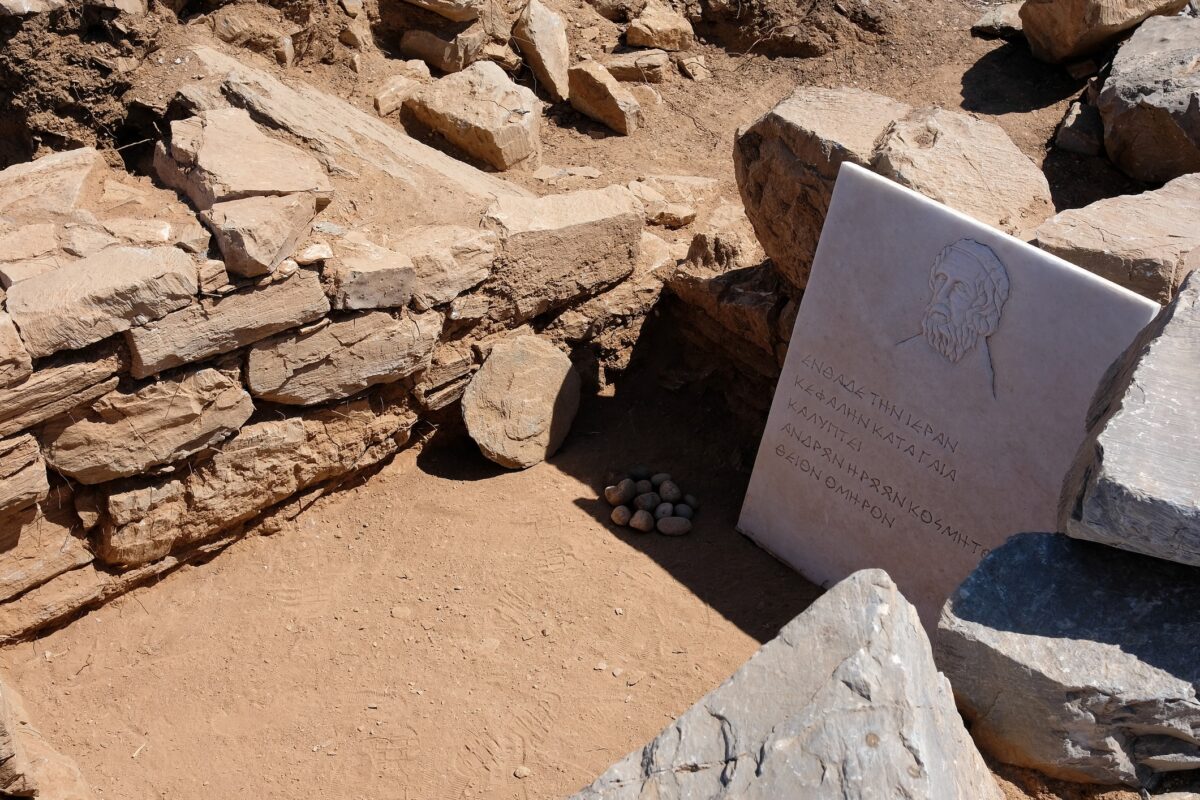
Why Homer Was the First Teacher of the Greeks
Before there were philosophers, before there were schools, before there were written laws studied in classrooms, there was Homer. For c...

What it Means to Carry a Literary Heritage
A literary heritage is often described as something we “inherit.” But in real life, inheritance is not passive. It is not a box of old ...
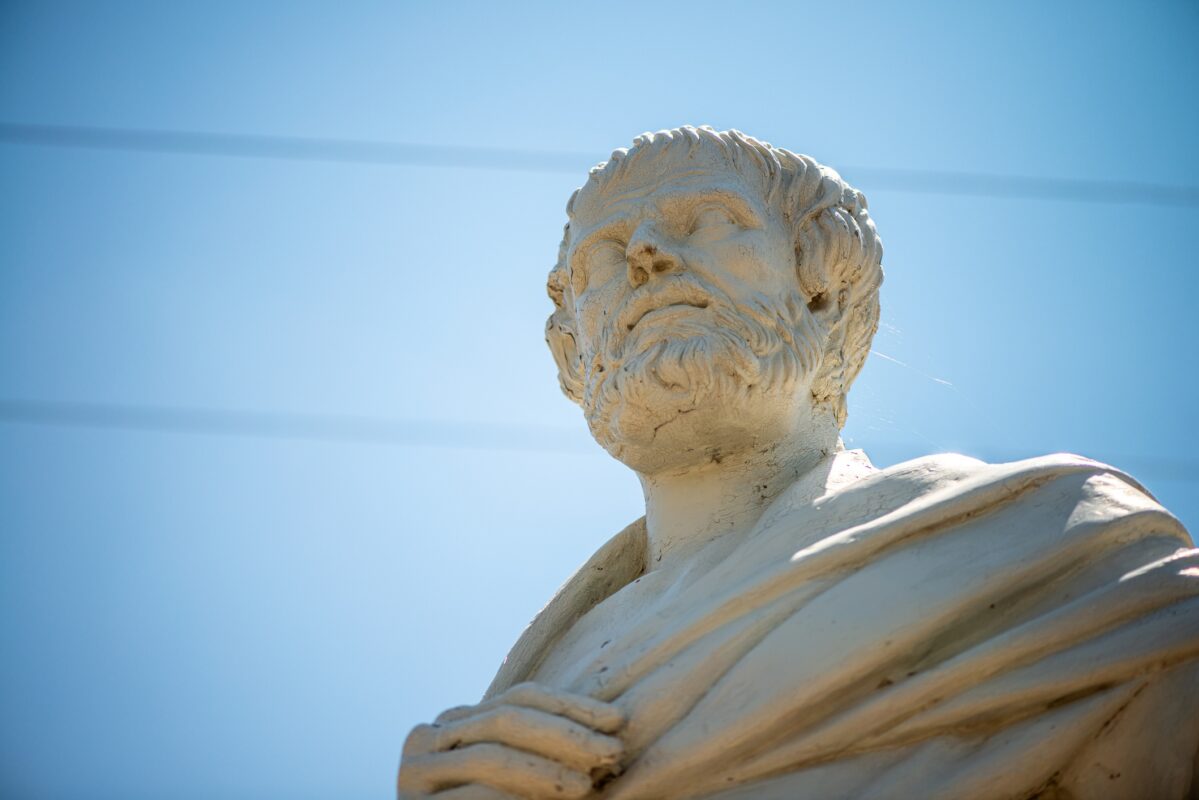
Plato VS Aristotle: Two Ways of Doing Philosophy
Plato and Aristotle are often presented as philosophical rivals: idealism versus empiricism, Forms versus substances, heaven versus ear...