













Ancient Greeks in English Collection
€190.00
“Life is like a banquet; when the dishes come round to you, put out your hand and take your share with moderation.” – Epictetus, Manual on the Art of Living
| Weight | 4 kg |
|---|
✔ Free EU shipping on orders over €100
✈ 50% off shipping costs to USA & Canada
📦 Secure worldwide shipping via UPS from Greece
🔒 100% Secure Checkout – PayPal & Credit/Debit Cards accepted
Questions about this collection?
Need more details about the volumes or delivery? We’re happy to help: Email us
Description
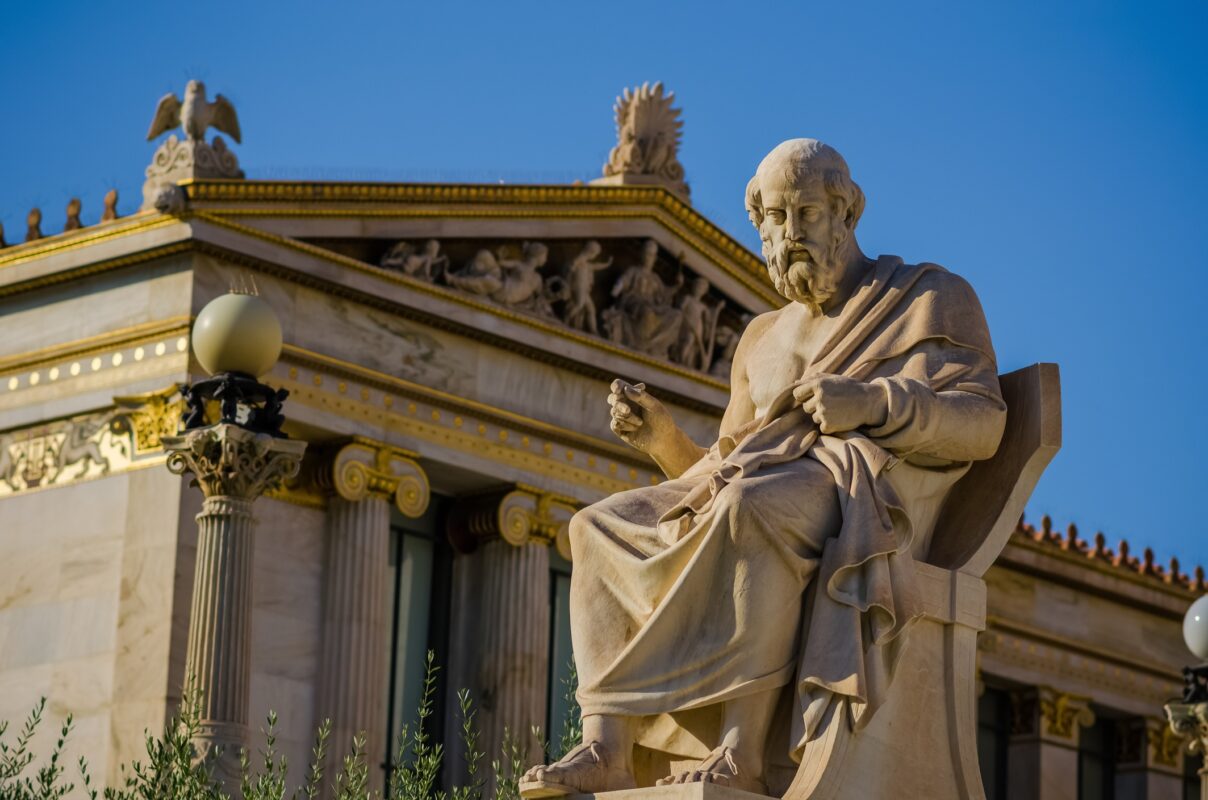
Why Plato Defined Contemporary Philosophy

Plato did not simply contribute to philosophy. He shaped what philosophy is. Long before philosophy became an academic discipline, Plat...

From City-States to Empires: How the Ancients Learned to Think Big
For much of early Greek history, the world was small. Political life centered on the city-state, the polis, a community that could be s...
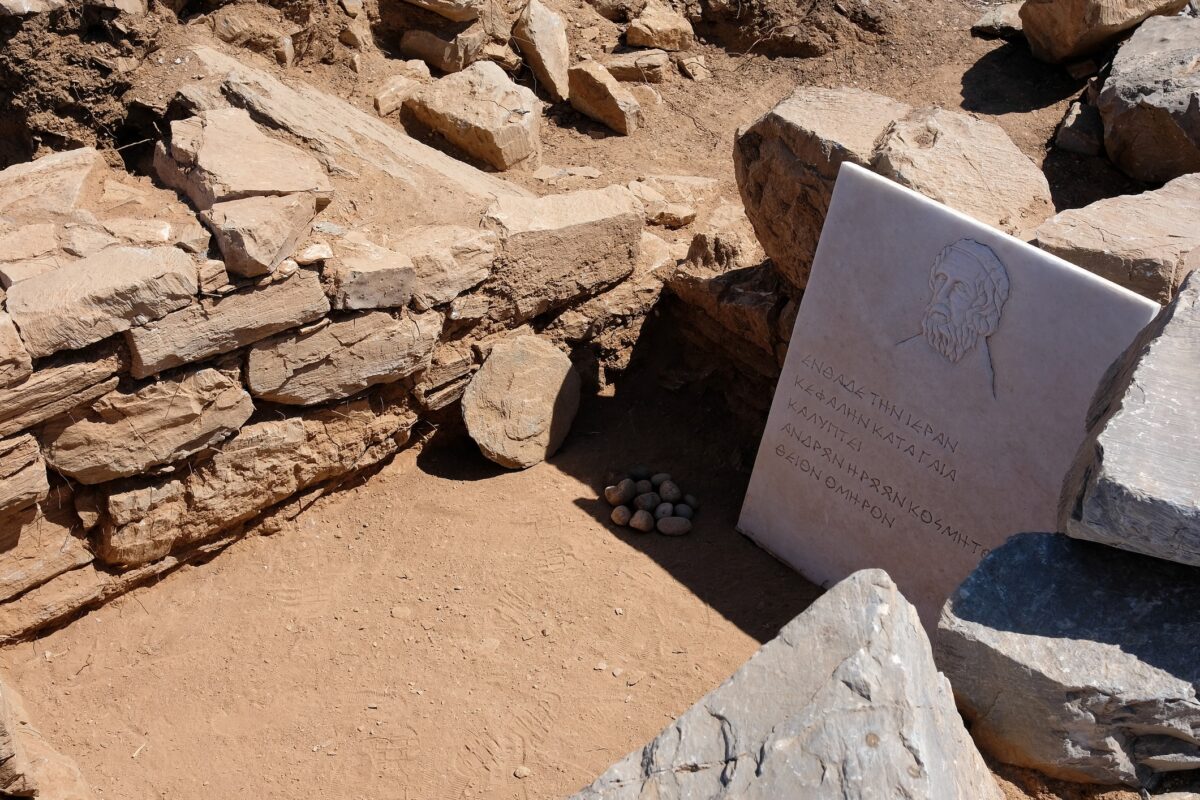
Why Homer Was the First Teacher of the Greeks
Before there were philosophers, before there were schools, before there were written laws studied in classrooms, there was Homer. For c...

What it Means to Carry a Literary Heritage
A literary heritage is often described as something we “inherit.” But in real life, inheritance is not passive. It is not a box of old ...
F.A.Q.
Shipping and Delivery