
Journal
Aristotle’s Rhetoric: Persuasion as Reason, Emotion, and Character

Aristotle is often remembered for logic, ethics, and politics, but his work on rhetoric may be just as valuable today. In Aristotle’s view, rhetoric is not about tricks, manipulation, or empty speech. It is a serious skill that helps people communicate clearly, make decisions in public life, and solve disagreements through structured thinking. He saw rhetoric as the art of persuasion, but persuasion that is grounded in responsibility.
Modern people still hear the word “rhetoric” used negatively. It is often linked with exaggerated claims, political theatre, or speech that sounds impressive but says very little. Aristotle would disagree with that definition. For him, rhetoric was not decoration. It was a tool for reasoning in situations where absolute certainty is impossible. Many human decisions are made in areas where there is no perfect proof, such as politics, law, leadership, or everyday moral choices. That is exactly where rhetoric matters most.
Why Aristotle Saw Rhetoric As A Serious Discipline
Aristotle did not treat rhetoric as a shallow skill. He treated it as a branch of knowledge that belongs next to logic and ethics. This matters because he believed persuasion shapes public life. Courts, assemblies, debates, and civic decisions all depend on spoken arguments. If people argue poorly, society suffers. If people argue well, society can improve.
He also believed rhetoric is linked to truth, even if it does not function like mathematics. In scientific topics, proof is based on demonstration. In persuasion, proof is based on probability, reasoning, and shared assumptions.
Another key point in Aristotle’s approach is that rhetoric is not separate from morality. For him, communication always carries ethical weight. A speaker can influence emotions, beliefs, and choices. That influence is powerful. This is why Aristotle examined rhetoric with care. He wanted people to understand how persuasion works so they could use it well and defend themselves against dishonest speech.
Ethos: Character As The Foundation of Persuasion
Ethos is often described as credibility, but in Aristotle’s system it is deeper than that. Ethos is not only about expertise or reputation. It is about the character a speaker demonstrates while speaking. Aristotle believed persuasion becomes stronger when the audience feels the speaker is trustworthy, fair, and thoughtful.
Ethos is built through what people see and sense in your communication. It includes your tone, your honesty, and the way you handle opposing views. A speaker who is arrogant, aggressive, or unclear may lose trust even if their facts are correct. Aristotle recognized that people do not only evaluate arguments. They evaluate the person behind the argument.
Aristotle also connected ethos with moral responsibility. To persuade ethically, a speaker should aim to be worthy of trust. This does not mean perfection. It means consistency, sincerity, and awareness of consequences. Ethos grows when a speaker shows respect for the audience and does not treat people like targets to control.
A powerful example of ethos today appears in professional settings. A leader who communicates calmly, accepts responsibility, and explains decisions clearly tends to gain long-term loyalty. In contrast, someone who avoids accountability or changes their story often loses support quickly.
Pathos: Emotion As A Rational Part of Human Decision Making
Pathos is usually defined as emotional appeal, and many people assume it is the least respectable part of persuasion. Aristotle would challenge that assumption. He believed emotion is not irrational noise. Emotion is part of how humans interpret reality. People do not make decisions as pure machines of logic. They respond through feelings, experiences, and social identity.
Aristotle studied emotions in a detailed way. He explored how people feel anger, fear, shame, pride, and compassion. He also examined what causes these feelings and how they change. This shows that Aristotle treated emotions analytically. He did not dismiss them. He tried to understand them.
Pathos becomes unethical when it is used to exaggerate, mislead, or create unnecessary panic. But pathos becomes ethical when it helps the audience see why a topic matters. Emotions are linked to values. When someone feels concern, it often means they care. When someone feels hope, it often means they believe change is possible.
A speaker who ignores pathos often fails to persuade, not because the argument is weak, but because it feels disconnected from real human life. For example, a public health message that includes only statistics may not reach people emotionally. But a message that connects facts with real experiences can motivate action without dishonesty.
Aristotle would say that pathos should not replace truth. It should support understanding. When used well, emotional appeal helps people focus, reflect, and remember. It turns a speech from information into meaning. That is why pathos is part of the system, not a cheap shortcut.
Logos: Reasoning That Turns Speech Into Structured Thought
Logos is the element most people associate with Aristotle, because it connects directly to logic and argument. Logos is reasoning. It is evidence, structure, definitions, and clear explanation. Aristotle believed a persuasive message must offer something solid that the audience can follow and evaluate.
Logos includes the way an argument is built step by step. It includes examples, comparisons, cause and effect relationships, and careful use of language. A strong logos-based argument does not only state a conclusion. It shows how the conclusion is reached.
Aristotle explained that rhetoric uses forms of reasoning that fit public situations. One key idea is the enthymeme, which is like a logical argument but based on shared assumptions. It leaves some steps unstated because the audience already understands them. This is not laziness. It is practical reasoning.
Logos also includes the use of proof, not only through facts but through good judgment. Evidence matters, but so does interpretation. Two people can use the same facts and reach different conclusions depending on what they consider important.
Ethos, Pathos, And Logos As One Ethical and Analytical System
Many people learn ethos, pathos, and logos as separate tools. They treat them like three boxes to tick while writing a speech. Aristotle’s real insight is that they are not separate. They are a unified system. The strongest persuasion happens when all three elements support one another.
Ethos creates trust so the audience is willing to listen. Logos provides structure so the audience can understand and evaluate. Pathos creates connection so the message matters personally. When one element is missing, persuasion becomes weaker. If there is ethos and pathos but no logos, the speech may feel inspiring but empty. If there is logos without ethos, the audience may reject the message because they do not trust the speaker. If there is logos and ethos but no pathos, the argument may be correct but forgettable.
Aristotle would also argue that the unity of these elements makes rhetoric ethical. Ethical persuasion respects human nature. It respects that people need trust, meaning, and reasoning. It does not treat them as objects. It treats them as participants in a shared decision.
Rhetoric, in Aristotle’s sense, is therefore a skill of citizenship. It helps people communicate in uncertain situations where not everyone agrees. It gives structure to disagreements so they do not become chaos. It also gives dignity to speech, because it insists that persuasion should be based on more than style.
In modern life, Aristotle’s rhetoric is still a powerful guide. It helps us speak better, listen better, and judge messages more intelligently. It can improve public debate by reminding us that persuasion is not about shouting louder. It is about building understanding.
When you see ethos, pathos, and logos as a unified system, you start to view rhetoric differently. It stops being performance. It becomes a form of practical wisdom.
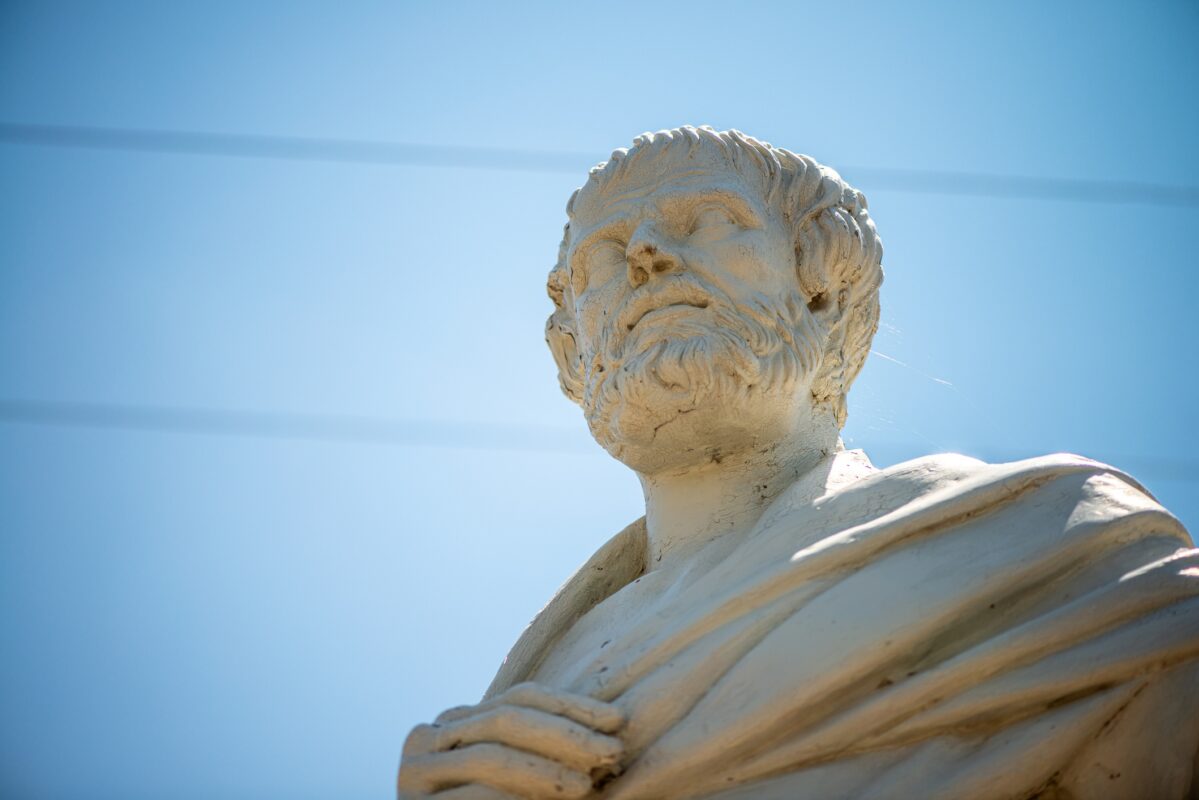
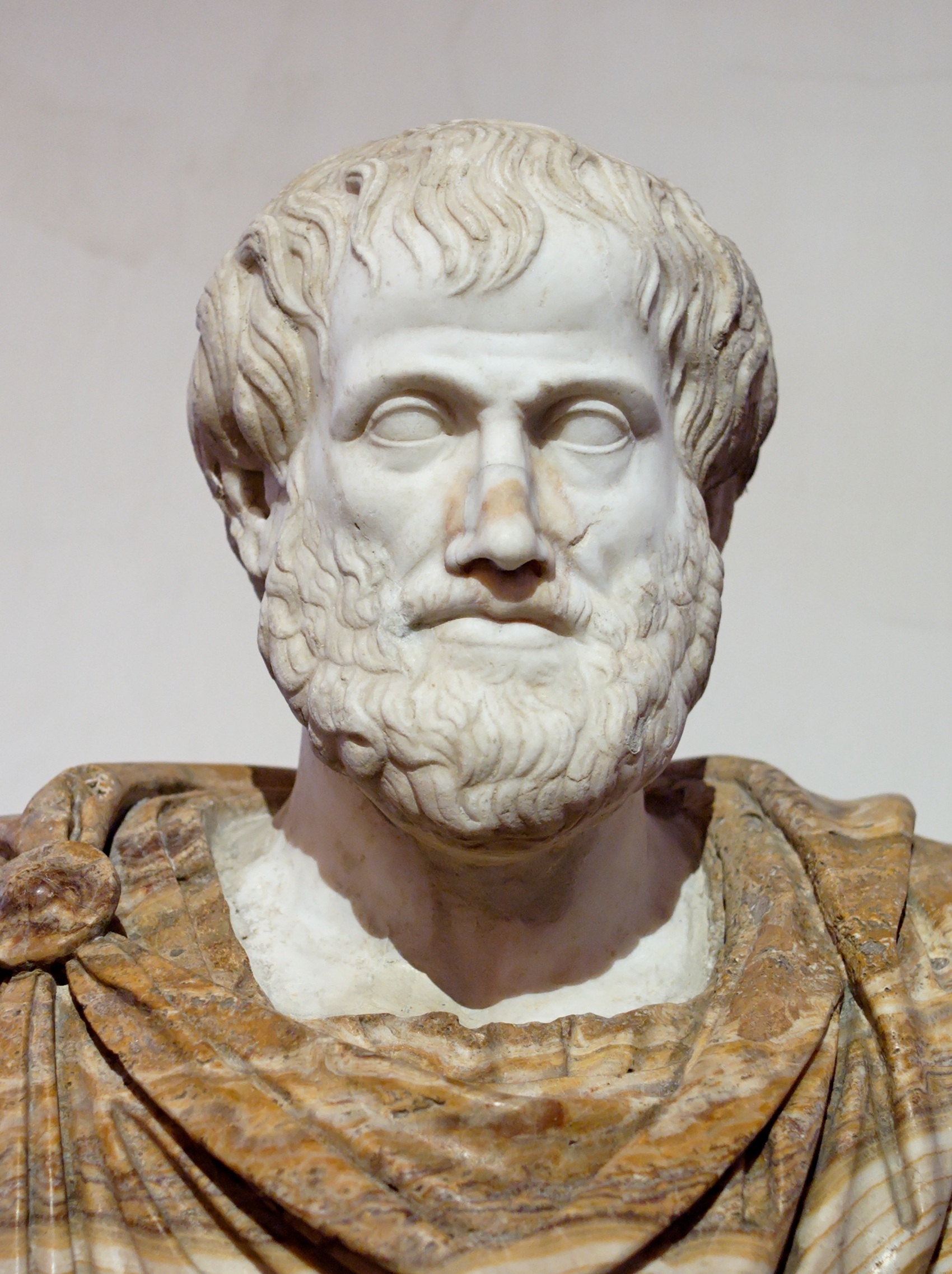
Image: Bust of Aristotle, Roman copy after a Greek bronze by Lysippos, Palazzo Altemps, Rome. Photo: Jastrow (2006). Public domain, via Wikimedia Commons.